
417-771-5817
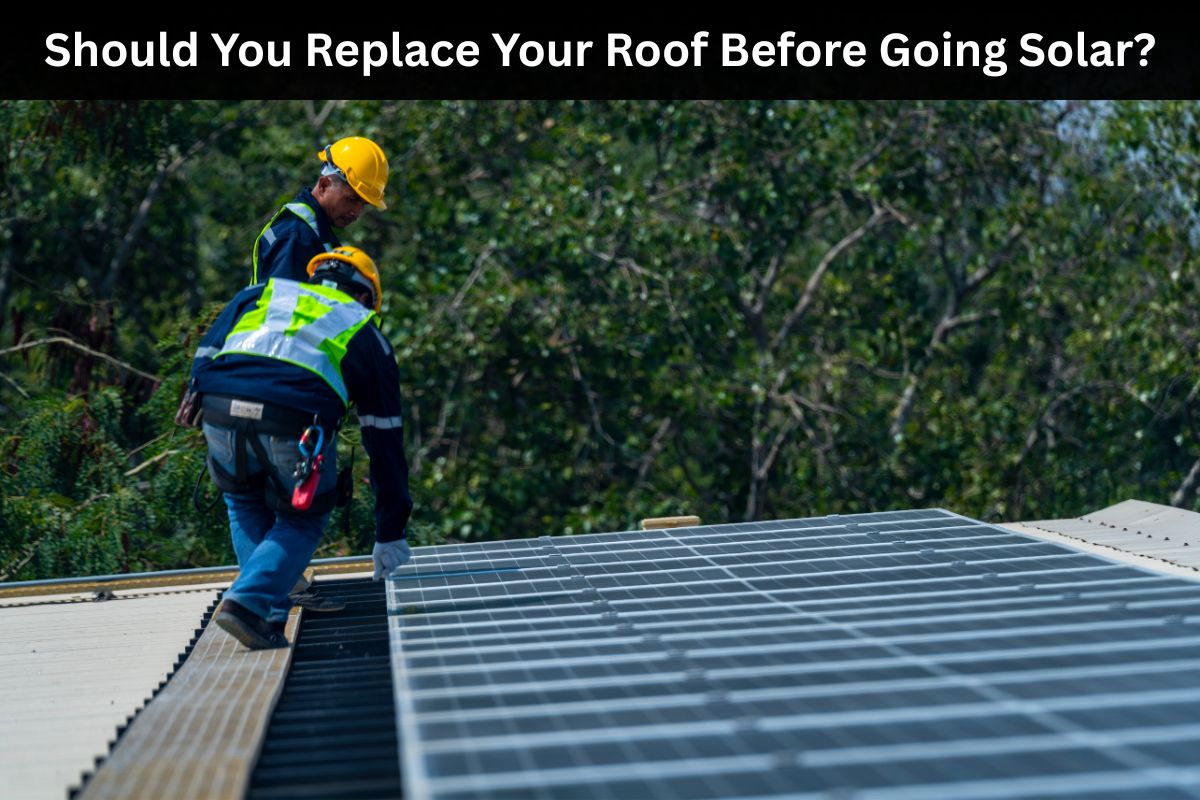
You’ve gotten a solar quote, maybe several and the numbers look good. Then someone brings up your roof: your installer, a neighbor who went through it, or a forum thread you probably shouldn’t have read at midnight. Now you’re wondering if you’re about to make an expensive mistake before you’ve even signed anything.
Here’s the part most solar guides skip: solar panels are built to keep producing power for 25 years or more, but most roofs aren’t guaranteed to last that long without attention. Put panels on a roof that needs replacing in five years, and you’re looking at detaching the array, storing it, replacing the roof, and reinstalling everything, a second project you didn’t plan for, plus lost production time and, if it’s not coordinated correctly, a roofing or workmanship warranty that no longer applies.
The good news is that this is a solvable question with a clear, practical answer once you know what to actually check. This guide walks through exactly how to evaluate your roof before committing to solar, what a proper assessment covers, and when replacing the roof first genuinely saves you money versus when it’s an unnecessary expense.
Quick Answer
If your roof has more than 10–15 years of usable life left and shows no signs of active damage, you typically don’t need to replace it before installing solar. If you’re within a few years of needing a new roof, replacing it first is usually the more cost-effective move, solar panels often outlast the roof beneath them, and removing and reinstalling an array for a later roof job can cost more than expected. A combined roof-and-solar assessment will tell you exactly where your roof stands.
Why Roof Condition Is the First Real Decision Point
Most solar content jumps straight to panel wattage, inverters, and financing. Here’s what an experienced installer actually looks at first: your roof is the one component of the entire system that can’t be serviced without touching the panels. Once residential solar panels are mounted, any roof repair or replacement underneath them means detaching the array, patching every flashing point the racking used, and confirming the mounting hardware and weight distribution weren’t affected, work most homeowners never budget for.
That’s why the roof question isn’t cosmetic. It determines whether your system runs maintenance-free for the two-plus decades it’s designed for, or whether you’re planning a second, more complicated project a few years in.
How to Evaluate Your Roof Before Solar Installation
Roof Condition Is Just One Piece of the Puzzle
A roof inspection is one of the most important steps before installing solar, but it’s not the only one. Homeowners often focus on panel prices while overlooking factors that have a much bigger impact on long-term savings.
Some of the most common mistakes include:
- Choosing an installer based only on the lowest quote
- Ignoring future energy needs when sizing the system
- Assuming every roof is immediately solar-ready
- Skipping a professional site assessment
- Waiting until roof problems become obvious before asking for an inspection
By addressing these issues early, you’ll avoid unexpected costs and ensure your solar investment performs as expected for decades.
Learn more about these common planning errors in our guide, The Biggest Mistakes Homeowners Make Before Installing Solar Panels.
1. Roof Age vs. Material Lifespan
Every roofing material has a realistic production lifespan. The rule installers use: if your roof’s remaining life is shorter than your solar system’s expected production life, replacement first usually makes financial sense.
|
Roofing Material |
Typical Lifespan |
Replace First If Roof Is… |
|---|---|---|
|
Asphalt (3-tab) shingles |
20–25 years |
Within 3–5 years of that range |
|
Architectural shingles |
25–30 years |
Within 3–5 years of that range |
|
Metal standing seam |
40–70 years |
Rarely a concern unless damaged |
|
Clay or concrete tile |
50+ years |
Rarely a concern unless cracked |
|
TPO / EPDM (flat, commercial) |
20–30 years |
Within 2–4 years of that range |
What If Your Home Is Newly Built?
For new construction, roof replacement is rarely part of the conversation. A brand-new roof is typically designed to last as long as—or even longer than—your future solar system. That gives homeowners an excellent opportunity to plan for solar from the beginning.
Installing solar during or shortly after construction can also simplify conduit placement, electrical planning, and panel layout, reducing future modifications while maximizing energy production.
If you’re building a home, our article Solar Panels for New Homes in Springfield: What You Should Know explains how early planning can make the installation process smoother and more cost-effective.
2. Visible Condition Signs Worth a Second Look
Before scheduling a solar assessment, walk your roofline and attic and look for:
- Curling, cupping, or cracked shingles, especially on south- and west-facing slopes
- Heavy granule buildup in gutters or at downspouts
- Soft or spongy spots underfoot, which can signal decking damage
- Daylight visible through the attic decking, or damp insulation
- Patch repairs, especially multiple patches in the same area
- Separated or lifting flashing around chimneys, vents, and skylights
3. What’s Left on Your Roof Warranty
Manufacturer roof warranties can be voided if an unrelated contractor penetrates the roofing material without proper documentation or sign-off. Ask any solar company you’re evaluating how they coordinate mounting work with your roofing manufacturer’s warranty terms, and get it in writing before installation begins.
4. Structural Considerations on Older Homes
Decking thickness and rafter spacing matter more on older homes, a common consideration on many of the older farmhouses and mid-century homes found throughout Missouri and Arkansas. A qualified assessment checks the structure underneath the shingles, not just the shingles themselves, before confirming your roof is ready to carry a racking system.
The Real Cost Comparison: Replace Now vs. Replace Later
There’s no single right answer here, it depends on how much life is left in your current roof. Here’s how the three most common approaches typically compare:
|
Approach |
Upfront Cost |
Longer-Term Trade-Off |
|---|---|---|
|
Replace roof + install solar together |
Highest combined upfront cost |
One project, one warranty timeline, no future removal costs |
|
Install solar now, replace roof in 5–10 years |
Lower upfront cost |
Panel removal/reinstall fee later, plus a second project to schedule |
|
Replace roof now, install solar after |
Roofing cost paid separately |
Solar delayed, but system goes on a roof with a full remaining lifespan |
Real-World Scenarios
Every property is different, but a few patterns come up often enough to be useful examples:
Scenario: A Springfield homeowner with an 8-year-old asphalt roof
The roof was well within its expected lifespan and showed no wear, so the solar assessment cleared the property to move straight to system design, no roofing work needed first.Scenario: An older Craftsman-style home in St. Louis
The original roof was over 20 years old with visible granule loss. The installer recommended a roof replacement before mounting solar, which avoided the cost of removing and reinstalling the array a few years later.Scenario: A retail building in O’Fallon, Illinois
The facility manager was comparing solar quotes for a flat commercial roof already 15 years into a TPO membrane’s expected lifespan. Rather than moving forward on solar alone, the property owner looped in a roofing assessment first, the kind of planning question covered in more detail on the commercial solar installation page.
Fast-growing solar markets like Bentonville and Fayetteville, Arkansas see a similar pattern: newer construction rarely needs a roof conversation at all, while homes built before the 2000s usually benefit from a quick inspection alongside the solar assessment. Wherever your property falls, you can check our service area to confirm coverage across Missouri, Arkansas, Illinois, and Kansas.
What Happens If You Install Solar on a Roof That Needs Replacement Soon
If a roof underneath an existing solar array needs replacing, the typical process looks like this:
- A licensed crew detaches each panel and disconnects the electrical wiring at the array level.
- Panels and racking are safely stored on-site during the roofing project.
- The roof is torn off, repaired or replaced, and the new roofing material and flashing installed.
- The racking is remounted, panels reinstalled, and the electrical system reconnected and tested.
This detach-and-reinstall process is a real cost often running well into four figures depending on system size on top of whatever the roofing project itself costs. It also means weeks of lost production while the system is offline, and it can affect workmanship warranty coverage if the original installer isn’t the one handling the reinstall. None of this is a reason to avoid solar; it’s simply the cost of sequencing the two projects out of order.
Talk to a Solar Consultant Before You Decide
A combined roof-and-solar assessment gives you a straight answer instead of a guess. Schedule a free consultation and we’ll walk your property with you before recommending a plan.
Commercial Properties: A Different Calculation
Facility managers weigh this decision differently than homeowners. Flat commercial roofs using TPO or EPDM membranes generally have shorter lifespans than residential shingle roofs, and many commercial solar arrays use ballasted racking systems that rest on the roof surface rather than penetrating it which can simplify (but doesn’t eliminate) the removal conversation. The bigger factor is usually capital planning: if a roof replacement is already on a 3–5 year facilities roadmap, bundling it with a commercial solar installation project often makes more sense than sequencing them separately, especially for owned buildings where the roof and the solar system will both be long-term assets.
For leased properties, the calculation adds another layer: lease term length, who’s responsible for roof capital improvements, and how a solar array affects the property’s value at lease-end are all worth clarifying before signing a solar contract.
Questions to Ask Before You Commit
- How old is my roof, and what material is it?
- Has my roof been inspected by a roofing professional not just assessed visually by the solar company?
- Will you coordinate directly with a roofer if replacement is recommended?
- What mounting method will be used, and how much roof penetration does it involve?
- Does my existing roof warranty stay valid once solar is attached?
- What would it cost, in dollars and downtime, to remove and reinstall the panels later if I skip replacement now?
A Simple Decision Framework
- Roof under 10 years old, asphalt or architectural, no visible damage: install solar now no roofing work needed first.
- Roof 10–15 years into a 20–25 year lifespan, no visible damage: get a professional roof inspection alongside your solar assessment, and let the findings decide.
- Roof visibly worn, patched, or near the end of its expected lifespan: replace the roof first, then install solar on a fresh foundation.
- Commercial flat roof approaching membrane end-of-life: loop the decision into your facilities capital plan and consider bundling the two projects.
Roof Planning Helps You Join Springfield’s Growing Solar Movement
Across Springfield and neighboring communities, more homeowners are investing in solar to reduce electricity costs, increase energy independence, and take advantage of available incentives. As adoption continues to grow, one thing has become clear: the most successful projects begin with careful planning.
Making sure your roof is ready before installation helps protect your investment and minimizes the likelihood of costly disruptions later. It’s one of the simplest ways to ensure your solar system delivers reliable performance for years to come.
Curious about what’s driving this trend? Read Why More Springfield Homeowners Are Switching to Solar in 2026 to see why so many local homeowners are making the switch.
Bringing Roof and Solar Planning Together
The roof question isn’t a reason to delay solar, it’s simply one more input that helps you sequence the investment correctly. Whether you’re weighing residential solar panels for a single-family home or planning a larger project, understanding what to expect during installation including how your roof factors into that process puts you in a stronger position to make the call with confidence.
Ready to Find Out Where Your Roof Stands?
Our team evaluates your roof and your solar potential together, so you get one clear recommendation instead of two separate guesses. Call us to schedule a free consultation and see exactly what your property is ready for.
Frequently Asked Questions
1. Do solar panels damage your roof?
Properly installed solar panels shouldn't damage a roof that's in good condition. Installers use flashed mounting points designed to keep the roof watertight, and a reputable company will inspect your roof's condition before mounting anything. Damage typically only happens when panels go on a roof that was already compromised, or when mounting hardware isn't installed or sealed correctly.
2. How long do solar panels last compared to a roof?
Most solar panels are built to keep producing power for 25 to 30+ years, which is longer than the typical lifespan of an asphalt shingle roof and roughly in line with architectural shingles, metal, or tile. That gap is exactly why roof age matters before installation — you want the roof underneath to outlast, or come close to outlasting, the system on top of it.
3. Can I put solar on an older roof if it's not leaking?
Sometimes, yes. A roof that's structurally sound with no active leaks can often support solar even if it's not brand new. What matters most is how many years of usable life remain. A professional roof and solar assessment together can tell you whether your roof has enough life left to make sense, or whether replacing it first will save you money over the system's lifetime.
4. What happens if my roof needs repair after solar is installed?
If a roof needs a small repair, a solar company can often work around the array or detach a limited number of panels to access the area. If your roof needs a full replacement after solar is already installed, the array typically needs to be fully detached, the roof replaced, and the system reinstalled and reconnected — an added project cost that proper roof planning helps you avoid.
5. Does a new roof affect my solar system's performance or warranty?
A new roof doesn't change how much energy your solar system produces. What it does affect is timing and cost: installing on a fresh roof means you're not likely to need panel removal for a roof job during the system's productive life, which protects both your roofing warranty and your solar workmanship warranty from unnecessary disruption.
6. Is it cheaper to replace my roof and install solar at the same time?
In most cases, yes, if your roof already needs replacing soon. Combining the two projects means a single mobilization, one set of flashing and penetration work, and no future detach-and-reinstall fee. If your roof already has many years of life left, there's usually no financial reason to replace it early just to pair it with solar.
7. What roof types work best for solar?
Asphalt and architectural shingles, standing seam metal, and concrete or clay tile are all common and workable roofing types for solar. Metal standing seam is often the easiest to mount without any roof penetration at all. Flat commercial roofs with TPO or EPDM membranes are also very solar-compatible, typically using a ballasted racking system.
8. How do I know if I need a roof inspection before going solar?
If your roof is more than 10 years old, has any visible wear (curling shingles, granule loss, past leaks, or soft spots), or you simply don't know its exact age and condition, it's worth having it inspected before your solar assessment. A combined roof-and-solar evaluation gives you a clear answer instead of a guess.